Wood-Destroying Insect Inspection

Wood-destroying insect inspections are commonly added to home inspections to identify visible signs of termites, carpenter ants, wood-destroying beetles, and conditions that may contribute to insect activity in accessible areas of the home.
Combining a WDI inspection with a professional home inspection provides a more complete evaluation of the property during the home-buying process.
Why Add A WDI Inspection To Your Home Inspection?
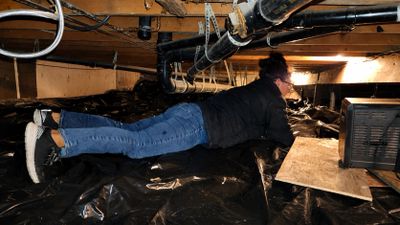
Wood-destroying insect inspections are commonly added to home inspections to help identify visible signs of termites, carpenter ants, wood-destroying beetles, and conditions that may contribute to insect activity within accessible areas of the home.
Combining a WDI inspection with a professional home inspection helps provide a more complete evaluation of the property during the home buying process.
A WDI inspection may help identify:
- Visible wood damage
- Conditions favorable to insect activity
- Excessive wood-to-soil contact
- Elevated moisture conditions
- Insect activity within accessible framing areas
- Damage within unfinished basements or crawlspaces
Common Signs of Wood-Destroying Insect Activity
Wood-destroying insect activity is not always obvious during a standard walkthrough of the home. WDI inspections help evaluate accessible structural and wood-framed areas for visible signs of insect-related concerns and conditions that may contribute to activity.
Common visible signs may include:
- Damaged or deteriorated wood
- Mud tubes or tunneling activity
- Wood debris or frass near framing materials
- Excessive moisture conditions
- Wood-to-soil contact around the structure
- Activity within crawlspaces or unfinished basement areas
Why Choose Gold Shield Inspections?

Thorough Structural Evaluations
Thorough Structural Evaluations
Thorough Structural Evaluations
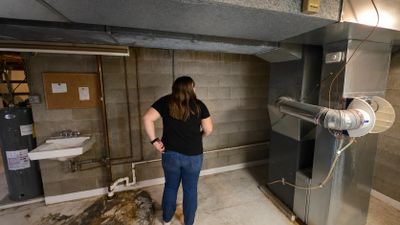
Accessible framing, crawlspaces, unfinished basements, and structural wood components are carefully evaluated during the inspection process for visible conditions that may contribute to wood-destroying insect activity.
Moisture & Condition Awareness
Thorough Structural Evaluations
Thorough Structural Evaluations
Moisture-related conditions can contribute to wood deterioration and increase the likelihood of wood-destroying insect activity. Inspections include evaluating accessible areas for elevated moisture, wood damage, and conditions that may impact structural materials over time.
Licensed In Iowa
Thorough Structural Evaluations
Local Inspection Experience
Gold Shield Inspections is licensed in Iowa to perform wood-destroying insect inspections. WDI inspections are completed as part of the professional home inspection process to help provide clients with a more complete evaluation of the property.
Local Inspection Experience
Thorough Structural Evaluations
Local Inspection Experience
Gold Shield Inspections has years of experience inspecting homes throughout Eastern Iowa. Local knowledge of crawlspace conditions and moisture-related concerns helps provide practical and professional evaluations during the inspection process.